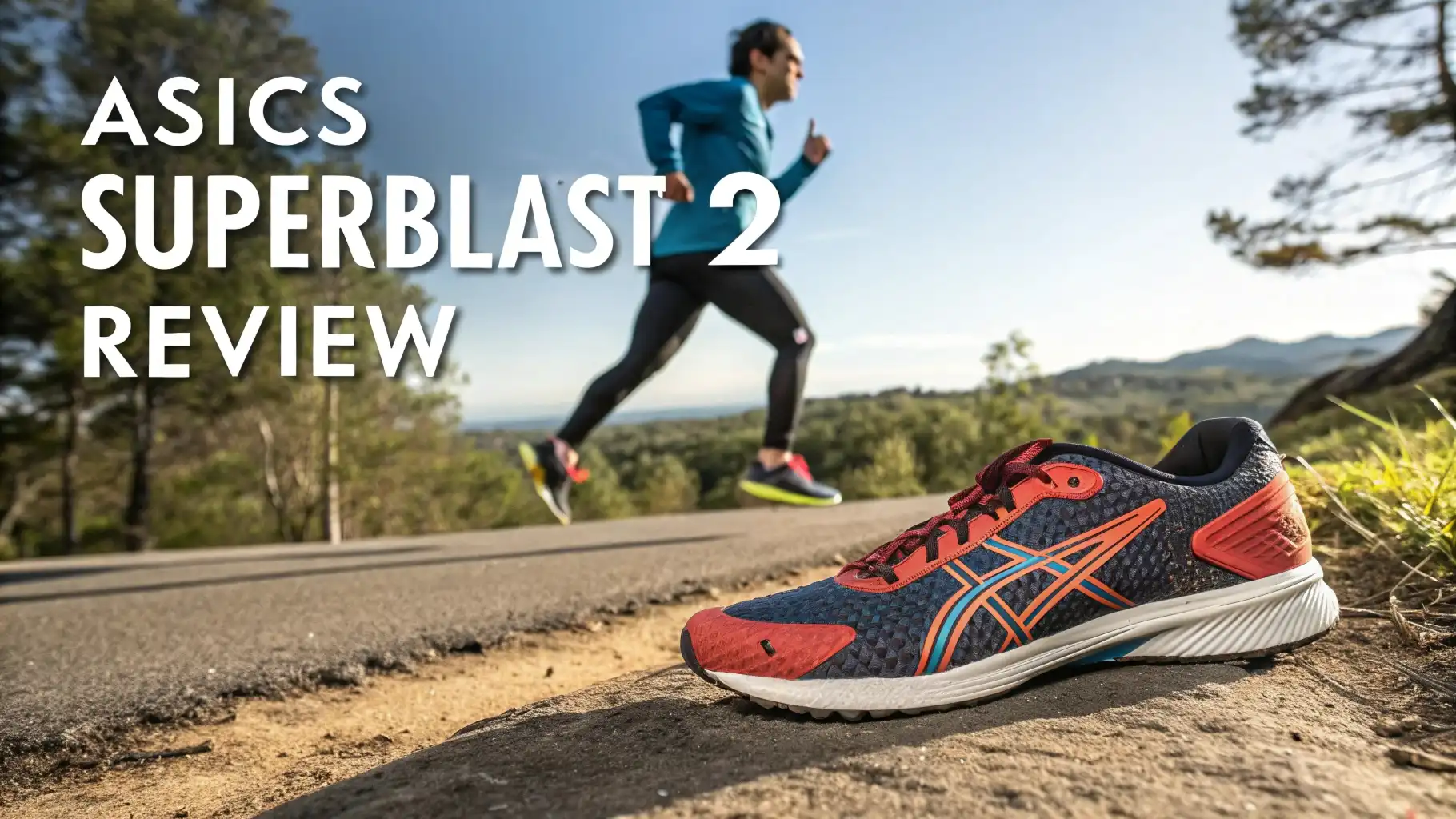
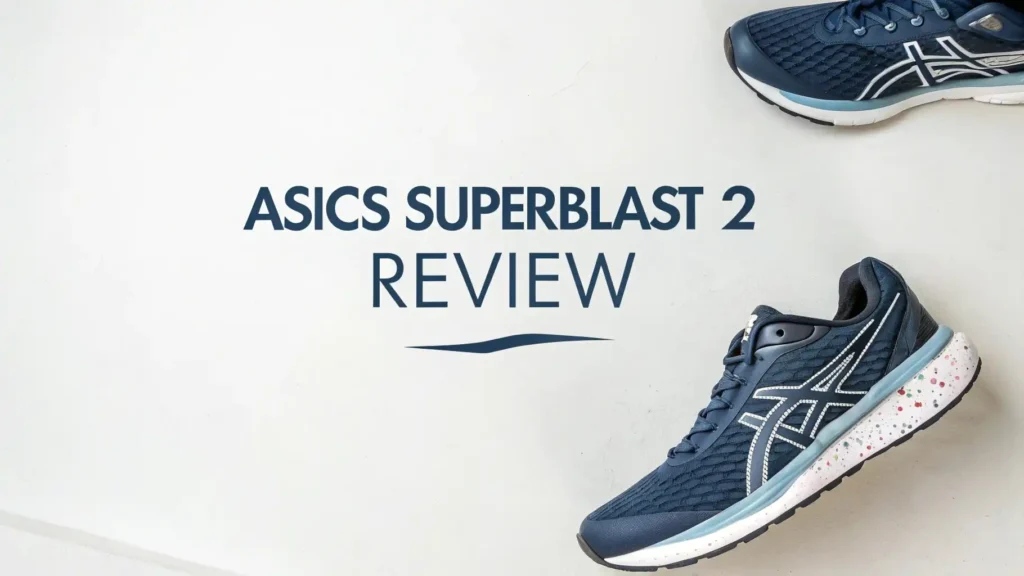
ASICS Superblast 2 Review: Max Cushioned Super Trainer
Running shoe technology has changed dramatically over the past few years. Super trainers have become the go-to choice for runners who want one shoe that can do it all. The ASICS Superblast 2 stands out as one of the most exciting releases in this category. This shoe promises to deliver maximum cushioning, exceptional responsiveness, and incredible versatility all in one package. Whether you run easy recovery miles or push the pace during tempo workouts, the Superblast 2 aims to be your reliable companion.
The first Superblast model became a fan favorite almost immediately after its release. Runners loved its energetic ride and plush feel. Now ASICS has refined the formula with the second generation. The company has improved the upper construction, enhanced the outsole grip, and maintained the world-class midsole foam that made the original so special. At $200, this shoe sits at the premium end of the market. The question is whether it delivers enough performance to justify that price tag.
In this comprehensive review, we will explore every aspect of the ASICS Superblast 2. We will examine the cushioning technology, test the performance across different paces, evaluate the durability, and compare it with competing models. By the end, you will know if this shoe deserves a place in your running rotation.
Key Takeaways
Exceptional Cushioning Technology: The Superblast 2 features a dual-layer midsole design that combines FF BLAST PLUS foam at the bottom with FF TURBO PLUS foam on top, creating one of the most responsive and cushioned rides available in any training shoe today.
Outstanding Versatility: This shoe excels at everything from easy recovery runs to marathon race pace efforts, making it a true do-it-all trainer that can replace multiple shoes in your rotation and handle any workout you throw at it.
Improved Upper Construction: The engineered mesh upper provides better breathability than its predecessor, fits more true to size, and delivers enhanced comfort for long runs while maintaining a secure lockdown during faster efforts.
Premium Price Point: At $200, the Superblast 2 costs more than most daily trainers, but the exceptional performance, impressive durability, and versatile nature make it a worthwhile investment for serious runners who want one elite-level shoe.
Lightweight Performance: Despite its max cushion stack height, the shoe weighs only 8.8 ounces for men, making it one of the lightest super trainers available and allowing for quick turnover even during uptempo workouts.
ASICS Superblast 2 Running Shoes

- Engineered mesh upper material: Improves airflow to help your feet keep cool
- Gusseted tongue wing fit system: Improves the midfoot fit and reduces tongue sliding
- FF TURBO PLUS technology: Cushioning improves compression and creates a responsive feel underfoot
The ASICS Superblast 2 represents the pinnacle of super trainer design. This shoe combines cutting-edge foam technology with practical design elements that make it suitable for daily training. The midsole stack height reaches 45mm in the heel and 37mm in the forefoot, creating an 8mm drop. This generous cushioning provides excellent impact protection for long runs while still maintaining ground feel.
The shoe weighs 8.8 ounces for a men’s size 9, which is remarkably light for a max cushioned trainer. Many runners find this weight surprising when they first pick up the shoe. The lightweight construction comes from the advanced foam compounds used in the midsole. ASICS uses the same FF TURBO PLUS foam found in their elite METASPEED racing shoes.
The upper features an engineered mesh that provides excellent breathability. Runners in warm climates will appreciate the ventilation on the toe box. The material stretches slightly to accommodate foot swell during long runs without feeling loose or sloppy. The fit runs true to size for most runners, which is an improvement over the original Superblast that often required sizing down.
The outsole uses ASICSGRIP rubber compound strategically placed in high-wear areas. The coverage is adequate for most road running conditions. Some exposed foam sections help reduce weight while the rubber sections provide traction on wet surfaces. The design balances durability with the need to keep the shoe light and responsive.
Midsole Technology and Foam Composition
The heart of the Superblast 2 is its innovative dual-layer midsole construction. ASICS has engineered a foam stack that delivers both soft cushioning and energetic responsiveness. The bottom layer uses FF BLAST PLUS ECO foam, which provides a stable foundation and excellent durability. This foam is made with recycled materials, reducing the environmental impact.
The top layer features FF TURBO PLUS foam, the same material used in ASICS racing shoes. This foam delivers exceptional energy return and responsiveness. When you push off during the toe-off phase of your stride, you feel a noticeable propulsive sensation. The foam compresses smoothly under impact and springs back quickly.
This dual-layer approach gives the Superblast 2 a unique ride quality. The soft top layer provides immediate comfort and impact absorption. The firmer bottom layer prevents the shoe from feeling mushy or unstable. Many max cushioned shoes sacrifice responsiveness for softness, but the Superblast 2 manages to deliver both characteristics effectively.
The 45mm heel stack and 37mm forefoot stack create substantial cushioning without feeling excessive. The 8mm drop feels natural for most runners. Heel strikers get plenty of protection, while midfoot and forefoot strikers still feel connected to the ground. The midsole geometry creates a smooth transition from heel strike through toe-off.
ASICS has tuned the foam densities carefully. The shoe feels soft on easy runs but can handle faster paces without feeling too soft or unstable. This versatility makes the Superblast 2 suitable for a wide range of training runs. You can use it for recovery days and long runs, but also for tempo efforts and marathon pace workouts.
Upper Construction and Fit
The engineered mesh upper on the Superblast 2 represents a significant improvement over the original model. ASICS has increased the breathability while maintaining structural support. The mesh features strategic perforations on the toe box that allow heat and moisture to escape. Runners in hot climates report that their feet stay cooler compared to the first version.
The fit runs true to size for most runners. This change addresses one of the main complaints about the original Superblast, which tended to run long and required many runners to size down half a size. The Superblast 2 provides a more accommodating fit in the toe box while still offering a secure midfoot lockdown.
The tongue and collar padding provide comfort without adding unnecessary weight. The heel counter is structured enough to prevent slippage but not so rigid that it causes irritation. The ankle collar sits at a comfortable height that works well with both no-show and crew socks.
The internal structure provides support without using heavy overlays. ASICS has integrated reinforcements into the mesh itself rather than adding external layers. This approach keeps the weight down while still preventing the upper from stretching out over time. The material shows good durability even after many miles of use.
Runners with wide feet may find the fit a bit snug, though it is not as narrow as some other ASICS models. The company does offer a wide width option for those who need additional room. Runners with high arches appreciate the generous volume in the midfoot area. The lacing system allows for adjustment to customize the fit.
Top 3 Alternatives for ASICS Superblast 2
While the ASICS Superblast 2 is exceptional, some runners may prefer different options based on price, fit, or ride characteristics. Here are three excellent alternatives worth considering.
Nike Vomero 18

- Engineered mesh upper for soft breathability
The Nike Vomero 18 offers premium cushioning at a slightly lower price point. This shoe features Nike’s ZoomX foam in the forefoot and React foam in the heel, creating a comfortable ride for long runs. The Vomero 18 weighs slightly more than the Superblast 2 but provides excellent comfort for easy-paced running. It fits well for runners who prefer Nike’s sizing and last shape.
Saucony Endorphin Speed 4

- FAST & LIGHT
- Push your pace daily.
- PWRRUN PB, SPEEDROLL, SRS, PLATE
The Saucony Endorphin Speed 4 brings racing shoe technology to the training category. This shoe includes a carbon-fiber plate that provides propulsion and structure. The PWRRUN PB foam delivers exceptional energy return. The Speed 4 costs less than the Superblast 2 while offering comparable versatility. It excels at faster paces but can also handle easy runs comfortably.
Adidas Adizero Boston 12

- adidas womens Sneaker
- Rubber sole
- No Heel
The Adidas Adizero Boston 12 combines lightweight construction with responsive cushioning. This shoe uses Lightstrike Pro foam in the midsole with Energy Rods for propulsion. The Boston 12 costs significantly less than the Superblast 2 while still delivering excellent performance. It fits runners who want a slightly firmer ride and prefer Adidas sizing.
Performance Across Different Paces
One of the most impressive qualities of the Superblast 2 is its ability to perform well across a wide range of paces. Many shoes work well at certain speeds but feel awkward at others. The Superblast 2 truly excels as a versatile super trainer that adapts to different running intensities.
For easy runs and recovery days, the Superblast 2 provides excellent cushioning that protects tired legs. The soft foam absorbs impact gently, reducing stress on joints and muscles. Runners can maintain slow, comfortable paces without feeling like they are fighting the shoe. The cushioning encourages proper recovery while still feeling responsive enough to maintain good running form.
At marathon pace and tempo efforts, the shoe shows its true versatility. The FF TURBO PLUS foam delivers energy return that helps maintain pace with less effort. The lightweight construction allows for quick leg turnover. Many runners report that the Superblast 2 feels fast enough to use as a marathon race shoe, though it is not legal for World Athletics sanctioned races due to its stack height exceeding 40mm.
Even during interval workouts and threshold runs, the Superblast 2 performs admirably. The responsive foam allows for quick accelerations. The lightweight upper does not feel bulky during faster efforts. While dedicated racing flats may feel slightly faster, the Superblast 2 comes close while providing much more cushioning and protection.
The smooth transition from heel strike to toe-off makes the shoe feel natural at all paces. The 8mm drop and rocker geometry guide the foot through the gait cycle efficiently. Runners do not need to consciously think about their form because the shoe promotes natural movement patterns.
This versatility means many runners can use the Superblast 2 as their primary training shoe. Instead of needing separate shoes for easy runs, long runs, and tempo workouts, one pair of Superblast 2s can handle everything. This not only saves money but also reduces the mental energy needed to choose the right shoe for each workout.
Durability and Longevity
At $200, runners expect the ASICS Superblast 2 to last for many miles. Fortunately, this shoe delivers impressive durability that helps justify its premium price. Multiple reviewers report getting 400 to 500 miles from a single pair, which is excellent for a super trainer with exposed foam sections.
The ASICSGRIP rubber compound on the outsole shows good wear resistance. The rubber covers the heel strike area and lateral forefoot, which are the highest wear zones for most runners. While some foam is exposed in the midfoot and medial forefoot, these areas typically experience less abrasion. The foam material itself is relatively durable and does not shred quickly.
The midsole foam maintains its cushioning properties well over time. Some max cushioned shoes lose their responsiveness after 200 miles, becoming dead and lifeless. The Superblast 2 retains its energetic feel for much longer. The dual-density construction with the firmer FF BLAST PLUS ECO on the bottom helps prevent the midsole from compressing excessively.
The upper construction proves durable as well. The engineered mesh does not develop holes or tears easily. The internal reinforcements maintain their structure even after many runs. The toe box area, which often shows wear first, holds up well to repeated flexing. Runners who wash their shoes regularly report that the upper material maintains its appearance and performance.
The overall value improves significantly when you consider the durability. A shoe that costs $200 but lasts 450 miles costs about 44 cents per mile. A cheaper shoe that costs $140 but only lasts 300 miles costs about 47 cents per mile. The Superblast 2 actually provides better value despite its higher initial price.
Some runners may find the outsole wear pattern unique to their gait. Heavy heel strikers may experience faster wear in the heel area. Supinators might wear through the lateral forefoot rubber more quickly. These individual wear patterns do not represent flaws in the shoe design but rather reflect the runner’s biomechanics.
Breathability and Temperature Management
The ventilation characteristics of the Superblast 2 represent a major improvement over the original model. ASICS has added strategic perforations to the engineered mesh upper, particularly in the toe box area. These perforations allow air to flow through the shoe more effectively, helping to regulate temperature and reduce moisture buildup.
Runners in hot and humid climates appreciate the enhanced breathability. The mesh allows heat to escape during summer runs, preventing the uncomfortable sensation of overheated feet. The material wicks moisture away from the skin relatively well, though it is not as effective as some highly ventilated models with larger mesh windows.
In cool weather conditions, the upper provides adequate protection without being too warm. The single-layer mesh construction does not trap excessive heat like some thicker, more padded uppers. This makes the Superblast 2 suitable for year-round training in most climates. Runners in very cold conditions might want to wear thicker socks for additional warmth.
The internal environment of the shoe remains relatively comfortable during long runs. The smooth lining prevents hot spots and blisters. The moisture management properties help reduce the chance of developing blisters from wet feet. The combination of good ventilation and moisture-wicking materials creates a comfortable microclimate inside the shoe.
Some runners note that the upper does darken with moisture during particularly sweaty runs. This is purely cosmetic and does not affect performance. The material dries relatively quickly after runs, which is important for runners who train daily and need their shoes to be ready for the next workout.
Weight and Responsiveness Balance
The ASICS Superblast 2 achieves a remarkable balance between substantial cushioning and lightweight construction. At 8.8 ounces for a men’s size 9, the shoe weighs significantly less than many max cushioned trainers. This low weight comes from the advanced foam compounds that provide high cushioning-to-weight ratios.
The FF TURBO PLUS foam in the top layer is the key to this equation. This foam delivers exceptional cushioning and energy return while weighing very little. The material has a high stack height but does not add much mass to the shoe. This allows runners to enjoy generous cushioning without the heavy, clunky feel that plagues some traditional cushioned trainers.
The responsive characteristics of the foam make the shoe feel even lighter than its actual weight. During the toe-off phase of the stride, the foam springs back energetically. This energy return reduces the muscular effort needed to push off the ground. Runners perceive the shoe as lighter because it actively helps propel them forward.
The lightweight upper contributes to the overall weight savings. The engineered mesh uses minimal material while still providing adequate support. ASICS avoids heavy overlays and synthetic leather reinforcements. The streamlined construction means less weight on your feet with each step.
This low weight makes the Superblast 2 suitable for faster-paced efforts that would feel awkward in heavier trainers. Interval workouts, tempo runs, and even progression runs feel natural in these shoes. The quick turnover capability rivals many lightweight trainers despite the maximum cushioning.
However, the light weight does not compromise the protective qualities. The generous midsole stack still absorbs impact effectively. Runners get the protection they need for high-mileage training without carrying unnecessary weight. This makes the Superblast 2 ideal for marathon training, where you need cushioning for long runs but also want a shoe light enough for race day.
Stability and Support Features
The ASICS Superblast 2 is classified as a neutral shoe, meaning it does not include aggressive stability features like medial posts or guide rails. However, the shoe still provides a surprisingly stable platform for most runners. The wide base and thoughtful geometry create inherent stability without adding corrective elements.
The broad platform in the midfoot and heel areas helps prevent excessive rolling. The outsole flares slightly, creating a stable landing zone for heel strikers. This design reduces the tendency for the foot to roll excessively inward or outward during the impact phase. Neutral runners and mild overpronators often find the stability adequate.
The firm FF BLAST PLUS ECO foam in the lower midsole layer adds structural integrity. This firmer foam prevents the softer top layer from collapsing unevenly. The combination creates a stable sensation even with the high stack height. Runners do not feel like they are sitting too high off the ground or teetering on an unstable platform.
The 8mm drop also contributes to the stable feel. This moderate drop provides enough heel cushioning for heel strikers while keeping the forefoot adequately elevated. The differential is not so large that it creates a forward pitch that could feel unstable. Most runners find the geometry natural and balanced.
Runners with significant overpronation might need additional support beyond what the Superblast 2 offers. Those who typically run in structured stability shoes may find the neutral cushioning insufficient for their biomechanics. ASICS does not currently offer a stability version of the Superblast, so runners needing motion control should consider other models.
The upper structure provides adequate midfoot support through the internal reinforcements. The lacing system allows runners to adjust the tension to create a secure fit. A locked-down midfoot helps prevent the foot from sliding around inside the shoe, which improves stability and reduces the risk of blisters.
Comparison with Original Superblast
The ASICS Superblast 2 builds on the success of the original while addressing several key areas for improvement. Understanding the differences helps runners decide whether to upgrade from the first version or choose between versions if both are available.
The upper fit is the most noticeable change. The original Superblast had a longer, narrower fit that required many runners to size down. The Superblast 2 fits more true to size with a slightly more accommodating toe box. The engineered mesh is also more breathable with better ventilation in the forefoot. These changes make the second version more comfortable for long runs and warm weather training.
The outsole coverage has improved significantly. The original Superblast had minimal rubber coverage, which led to faster wear for some runners. The Superblast 2 features more extensive ASICSGRIP rubber placement, particularly in high-wear zones. This change extends the shoe’s lifespan and provides better traction on wet surfaces.
The midsole formula remains largely the same, using the dual-layer construction of FF TURBO PLUS over FF BLAST PLUS ECO. Some reviewers detect a slightly softer feel in the Superblast 2, though this could be within normal manufacturing variation. Both versions deliver excellent cushioning and responsiveness. The ride quality is similar enough that fans of the original will feel at home in the second version.
The weight has increased slightly in the Superblast 2, adding about 10 grams compared to the original. This minor weight gain comes from the improved upper construction and additional outsole rubber. Most runners do not notice the difference during actual running. The benefits from the durability and fit improvements outweigh the minimal weight increase.
The price remains at $200 for both versions, so cost is not a differentiating factor. Runners looking for deals might find discounted original Superblast inventory available. However, the improvements in the Superblast 2 make it the better choice if both are available at the same price.
Ideal Runner Profile
The ASICS Superblast 2 suits a wide range of runners, but certain profiles will benefit most from this shoe. Understanding the ideal use cases helps runners determine if this model matches their needs and training style.
High-mileage runners who log many miles each week will appreciate the versatility and durability. The ability to use one shoe for multiple workout types reduces the need to purchase several different models. The cushioning protects the body during hard training blocks. The durability means the shoes will last through a full training cycle.
Marathon and half-marathon runners find the Superblast 2 particularly valuable. The shoe works well for the long runs that form the foundation of distance training. It also handles tempo runs and race-pace efforts comfortably. Some runners even race marathons in the Superblast 2, though it exceeds the 40mm stack height limit for World Athletics sanctioned events.
Runners seeking cushioning without weight will love the Superblast 2. Many max cushioned shoes feel heavy and clunky. The Superblast 2 delivers generous cushioning in a lightweight package. This makes it ideal for runners who want impact protection but do not want to sacrifice speed.
Neutral runners and mild overpronators will find the stability adequate. The shoe does not include aggressive stability features, but the wide platform and firm bottom layer provide inherent stability. Severe overpronators might need additional support, but most neutral runners will feel secure and stable.
Budget-conscious runners might hesitate at the $200 price tag. However, the durability and versatility can make it cost-effective over time. One pair of Superblast 2s can replace two or three different shoes in your rotation. The per-mile cost becomes reasonable when you factor in the high mileage capacity.
Runners who want one do-everything shoe will find the Superblast 2 perfect. Many runners prefer to simplify their shoe rotation rather than managing multiple pairs. The Superblast 2 handles easy runs, long runs, tempo workouts, and even some speed work. This versatility makes training simpler and more convenient.
Common Issues and Limitations
While the ASICS Superblast 2 excels in many areas, no shoe is perfect for every runner. Understanding the potential limitations helps set realistic expectations and prevents disappointment.
The $200 price represents a significant investment. Many excellent training shoes cost $140 to $160, making the Superblast 2 considerably more expensive. Budget-limited runners might prefer more affordable options. The durability helps offset the high initial cost, but you still need to be comfortable with the upfront expense.
The stack height exceeds World Athletics limits for sanctioned races. The 45mm heel stack is above the 40mm maximum allowed in competitive events. This matters only for elite and competitive runners racing in World Athletics events. Most recreational runners are not affected by this rule, but it is worth noting for those who compete seriously.
The fit might not work for all foot shapes. While the Superblast 2 fits true to size for most runners, those with very wide feet or high volumes might find it snug. The engineered mesh has limited stretch. Runners who typically need wide widths should try the shoe before buying or order the wide width option if available.
The ride quality is softer than the original for some runners. This change is subjective, and many runners actually prefer the slightly softer feel. However, runners who loved the firmer, more responsive sensation of the first Superblast might miss that characteristic. The difference is subtle but noticeable to sensitive runners.
The exposed foam on the outsole can wear faster than rubber in certain areas. While durability is generally good, runners with unusual gait patterns might experience premature wear in the exposed foam sections. Heavy heel strikers or severe supinators should inspect the wear pattern after 100 miles to ensure it meets their expectations.
The color options have been limited at times due to high demand. Popular colorways sell out quickly. Runners might need to compromise on color choice or wait for restocks. This is not a performance issue but can be frustrating for those who care about appearance.
Best Uses and Training Scenarios
The ASICS Superblast 2 performs exceptionally well in specific training scenarios. Understanding the optimal uses helps runners maximize the value they get from these shoes.
Long runs represent perhaps the best use case for the Superblast 2. The generous cushioning protects the legs during extended efforts. The responsive foam helps maintain pace without excessive effort. The lightweight construction prevents the fatigue that comes from running in heavy shoes. Many runners report that the Superblast 2 makes long runs feel easier and more enjoyable.
Marathon training blocks are ideal for the Superblast 2. The shoe handles the variety of workouts in a typical marathon plan. Easy runs provide recovery for tired legs. Long runs build endurance. Tempo runs develop lactate threshold. The Superblast 2 performs well in all these scenarios. Some runners even race their marathons in these shoes despite the World Athletics stack height restriction.
Daily training miles accumulate quickly in the Superblast 2. The durability means runners can log hundreds of miles in a single pair. The versatility means you do not need to change shoes for different workout types. This makes the Superblast 2 an excellent daily trainer for runners who want to simplify their rotation.
Recovery runs benefit from the soft cushioning that reduces impact stress. After hard workouts or long runs, the Superblast 2 allows runners to maintain easy paces comfortably. The cushioning encourages proper recovery while the responsive foam prevents the dead, disconnected feel of some recovery-focused shoes.
Tempo runs and threshold workouts work well in the Superblast 2. The responsive foam and lightweight construction allow for faster paces. The cushioning is adequate even at higher speeds. While dedicated racing shoes might feel slightly faster, the Superblast 2 delivers comparable performance with better protection.
Track workouts and intervals can be done in the Superblast 2, though dedicated speed shoes might be preferable for very fast efforts. The Superblast 2 handles 5K pace intervals comfortably. For shorter, faster repetitions at mile pace or faster, lighter racing flats provide better ground feel and responsiveness.
Care and Maintenance Tips
Proper care extends the life of your ASICS Superblast 2 shoes and maintains their performance. Following these maintenance tips helps you get maximum value from your investment.
Remove insoles after runs to allow better air circulation. The insoles trap moisture against the midsole, which can promote odor and material breakdown. Pulling out the insoles after each run allows both the insole and the shoe interior to dry more quickly. This simple step significantly reduces odor buildup.
Air dry shoes away from direct heat. Never put your Superblast 2s in the dryer or place them on radiators. High heat breaks down the foam compounds and glues, reducing the shoe’s lifespan. Instead, stuff the shoes with newspaper to absorb moisture and place them in a well-ventilated area. The shoes will dry within a day under normal conditions.
Rotate between multiple pairs if possible. Running shoes need time to decompress after use. The foam materials perform better when they have 24 to 48 hours to recover between runs. Rotating between two pairs extends the life of both. This also gives shoes time to dry completely between uses.
Clean shoes regularly to remove dirt and debris. Use a soft brush and mild soap with cool water. Avoid harsh detergents that can break down the materials. Clean the outsole to remove pebbles and debris that can accelerate wear. The engineered mesh upper can be gently scrubbed to remove stains.
Replace shoes at appropriate mileage. Most runners should replace the Superblast 2 after 400 to 500 miles. Track your mileage in a running log or app. Pay attention to how the shoes feel. If they seem less responsive or your legs feel more fatigued after runs, it might be time for a new pair.
Store shoes in a cool, dry place away from direct sunlight. UV exposure breaks down foam and mesh materials over time. Avoid leaving shoes in hot cars or garages. Proper storage preserves the materials and extends the shoe’s usable life.
Value Proposition and Final Verdict
The ASICS Superblast 2 commands a premium price at $200, making the value proposition an important consideration. Whether this shoe represents good value depends on your priorities, training volume, and budget constraints.
The exceptional versatility delivers significant value. One pair of Superblast 2s can replace multiple specialized shoes in your rotation. If you were planning to buy separate shoes for easy runs, long runs, and tempo workouts, the Superblast 2 can potentially save money by handling all these tasks effectively.
The impressive durability improves the cost-per-mile calculation. Getting 450 miles from a $200 shoe costs about 44 cents per mile. This compares favorably to many cheaper shoes that wear out faster. The Superblast 2 often outlasts shoes costing $140 that only last 300 miles.
The performance characteristics justify the premium for serious runners. The world-class foam technology, lightweight construction, and excellent energy return create a superior running experience. Runners who value performance and are willing to pay for quality will find the Superblast 2 worth the investment.
However, budget-limited runners might prefer more affordable alternatives. Several excellent super trainers cost $140 to $160 and deliver comparable performance. The Superblast 2 is better, but the margin may not be large enough to justify the price difference for cost-conscious runners.
The ideal customer for the Superblast 2 is a high-mileage runner who values versatility and performance. Marathon and half-marathon runners training for specific races will benefit most. Runners who log 40 to 60 miles per week will use the shoes enough to justify the investment.
The final verdict is highly positive. The ASICS Superblast 2 is one of the best super trainers available today. It delivers exceptional cushioning, remarkable versatility, impressive durability, and outstanding performance across all paces. The improvements over the original address the main criticisms while maintaining the qualities that made the first version popular. For runners who can afford the $200 price and who want one elite-level shoe to handle all their training, the Superblast 2 is an excellent choice that earns our strong recommendation.
Frequently Asked Questions
Is the ASICS Superblast 2 good for beginners?
Yes, the ASICS Superblast 2 works well for beginners. The generous cushioning protects joints and muscles while your body adapts to running. The versatile nature means beginners can use one shoe for all their runs. However, the $200 price might be high for someone just starting out. Beginners unsure about their commitment to running might prefer a more affordable option first.
Can I use the Superblast 2 for trail running?
The Superblast 2 is designed for road running and performs best on paved surfaces. The road-specific outsole provides adequate traction on packed dirt trails but struggles on technical terrain. Runners who occasionally venture onto groomed trails will be fine. Serious trail runners should invest in dedicated trail shoes with more aggressive tread patterns and protective features.
How does the Superblast 2 fit compared to other ASICS models?
The Superblast 2 fits true to size, which differs from some ASICS models that run small or narrow. Runners familiar with the Nimbus line will find the Superblast 2 slightly narrower. Those coming from the Kayano will find the fit similar in length but less structured. The Superblast 2 is less narrow than traditional ASICS racing flats. Most runners can order their normal size confidently.
Will the Superblast 2 help prevent injuries?
The excellent cushioning in the Superblast 2 reduces impact stress on joints and muscles, which can help prevent overuse injuries. However, no shoe can guarantee injury prevention. Proper training progression, adequate recovery, and listening to your body remain the most important factors. The Superblast 2 provides good protection, but it is not a substitute for smart training practices.
How long do the Superblast 2 shoes typically last?
Most runners get 400 to 500 miles from the ASICS Superblast 2. Lightweight runners might reach 500 miles or more. Heavier runners or those with aggressive gait patterns might see wear closer to 400 miles. Individual wear patterns vary based on body weight, running form, and running surfaces. Monitor how the shoes feel and replace them when cushioning diminishes or wear becomes excessive.
Can I race a marathon in the Superblast 2?
Yes, many runners successfully race marathons in the Superblast 2. The shoe provides enough cushioning for the full 26.2 miles while remaining light and responsive. However, the 45mm heel stack exceeds World Athletics limits for sanctioned races. Recreational runners in standard marathons face no restrictions. Competitive runners in World Athletics events cannot use these shoes for official results.
Does the Superblast 2 run hot in summer weather?
The improved breathability of the Superblast 2 makes it suitable for warm weather running. The perforated mesh allows good airflow to keep feet relatively cool. While not the most ventilated shoe available, it performs adequately in hot conditions. Runners in extremely hot climates might prefer shoes with larger mesh windows, but most runners will find the ventilation acceptable for summer training.
Is the Superblast 2 suitable for heavy runners?
The ASICS Superblast 2 works well for heavy runners. The generous cushioning provides excellent impact protection. The stable platform prevents excessive motion. The durable construction holds up to the increased stress from higher body weight. Heavy runners appreciate the maximum cushioning without sacrificing responsiveness. The lightweight feel surprises many heavy runners who expect cushioned shoes to feel clunky.

Calliope is a passionate lifestyle enthusiast with a keen eye for fashion, beauty, and wellness trends. With years of experience in product research and testing, she brings a balanced perspective to every review and guide. Calliope believes in authentic recommendations and is dedicated to helping readers make confident choices that align with their personal style and values.
Last update on 2026-02-06 / Affiliate links / Images from Amazon Product Advertising API