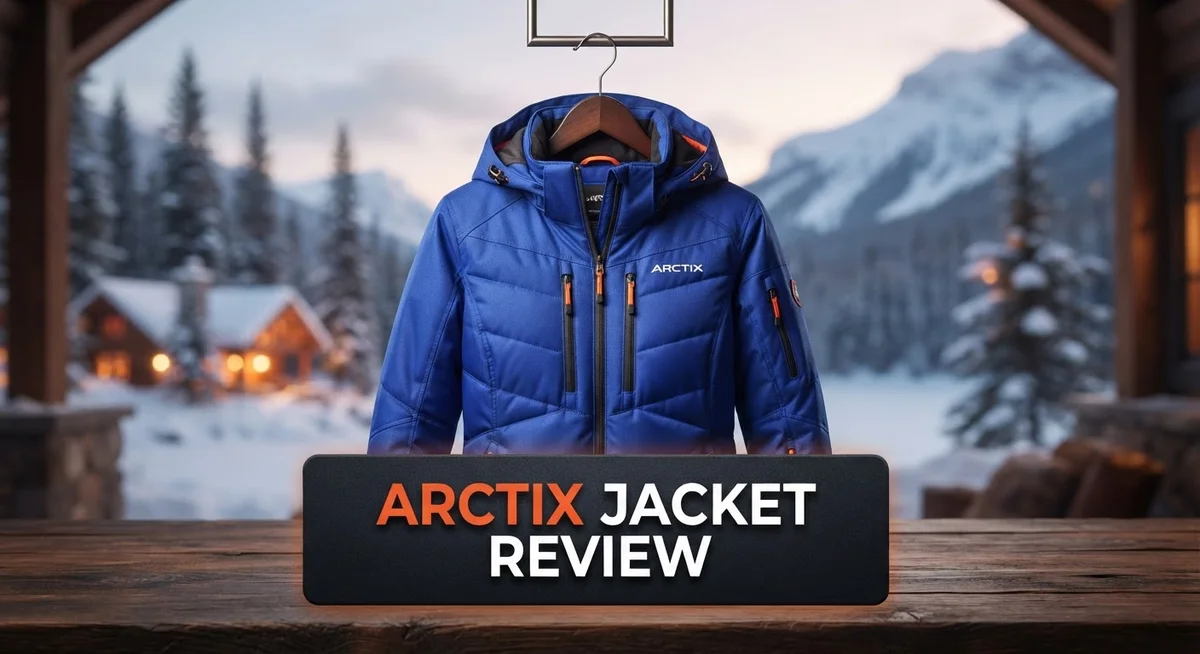
Arctix Jacket Review: Warmth, Durability, and Value for Winter
Winter weather can feel brutal. You need a jacket that fights back against cold, wind, and snow. That’s where Arctix steps in.
This brand built a reputation for tough, reliable outerwear. People trust it for harsh winter conditions. But does it really deliver on its promises?
In this review, we dig into what makes Arctix jackets stand out. We look at the materials, insulation, and overall comfort. We also check real user feedback to see how these jackets perform in daily life.
Whether you shovel snow, walk your dog, or just want to stay warm outside, this guide helps you decide. You’ll learn the true strengths and the honest drawbacks of this popular jacket line.
Let’s see if Arctix earns its spot in your winter closet.
In a Nutshell
Here is the quick rundown on Arctix jackets before you dive deeper into this review.
-
Built for real cold. These jackets handle temperatures from -20°F to +35°F. That range covers most winter activities without much trouble.
-
Shell and lining work together. The ThermaLock™ polyester shell blocks wind and water. A soft 210T taffeta lining adds comfort against your skin.
-
Insulation varies by model. ThermaTech™ fill ranges from 85g to 140g. Lighter models suit mild days, while heavier ones tackle harsh storms.
-
Care is simple. You can machine wash these jackets. No special dry cleaning trips are needed.
-
Reviews lean positive. Over 100,000 five-star ratings back up the brand’s reputation. That is a strong signal for everyday reliability.
-
Some tradeoffs exist. Ventilation stays limited on most models. The insulation can also feel bulky during active movement.
This summary gives you the core facts. Keep reading to see how these points play out in real world use.
Material and Fabric Quality
The shell fabric deserves your attention first. Arctix uses a 100% polyester dobby weave called ThermaLock™ for the outer layer. This material creates a tight barrier against wind and moisture. The dobby construction adds texture and strength without adding weight.
The lining tells another story. A 210T polyester taffeta layer sits underneath. This smooth interior reduces friction and helps the jacket move with your body. You won’t feel the stiffness that older winter jackets often have.
Insulation quality varies across the lineup. Some models pack 85 grams of ThermaTech™ fill. Others go up to 140 grams for extreme cold. The ThermaTech™ synthetic insulation traps air effectively. It keeps working even when wet, unlike down alternatives. This matters if you’re outside during snow or sleet.
The stitching and zippers show real craftsmanship. Users consistently report that seams hold tight after years of wear. The zippers glide smoothly and resist jamming. These details matter when temperatures drop and you need gear you can trust.
One trade-off appears in the fabric choices. The polyester shell feels slightly bulky compared to premium materials. Some wearers notice the jacket takes up noticeable space in a bag or closet. The thickness provides warmth, but it comes with less packability.
Water and wind resistance work well together. The shell repels moisture from rain and snow. Wind cannot easily pass through the tight weave. However, the jacket lacks ventilation ports that higher-end brands include. You cannot easily release heat if you’re active or moving between indoor and outdoor spaces.
Durability stands out as a real strength. Users report their Arctix jackets lasting multiple winters without fabric tears or lining breakdown. The material combination resists pilling and fading. Machine washing doesn’t degrade the fabrics over time.
The fabric choice reflects Arctix’s philosophy. They prioritize function and longevity over premium feel. You get solid materials that work hard in real winter conditions. The construction supports the brand’s reputation for reliability in cold weather.

- 120 grams ThermaTech Insulation offers warmth in a lightweight, low bulk garment (keeps you warm at...
- Critical seams are sealed to keep you dry; Reflective webbing provides greater safety and nighttime...
- Microfleece lined removable hood; Adjustable cuff tabs

Last update on 2026-10-13 / Affiliate links / Images from Amazon Product Advertising API
Insulation and Temperature Performance
The insulation inside an Arctix jacket does the heavy lifting when temperatures drop. ThermaTech™ fill sits at the core of the thermal performance. Different models use either 85 grams or 140 grams of this synthetic insulation, so you get options based on how cold your winters get.
Synthetic insulation has real advantages here. It keeps working even when wet, unlike down. This matters if you’re outside during snow or sleet. The insulation also dries faster after a wash, which extends the jacket’s lifespan.
The temperature range speaks volumes about what these jackets handle. Arctix rates their jackets from minus 20 degrees Fahrenheit up to plus 35 degrees Fahrenheit. This covers most winter conditions across North America. If you live somewhere colder than minus 20, you might need layering underneath.
Heat retention feels consistent across the lineup. Users report staying warm during extended outdoor time. The 140-gram models perform noticeably better in extreme cold than the 85-gram versions. Your activity level matters too. Active users stay warmer than someone standing still, so the lighter insulation works fine for movement.
The shell works alongside the insulation to trap warmth. The 210T polyester taffeta lining captures heat close to your body. Wind cannot easily penetrate this combination. Snow slides off rather than melting into the fabric.
One trade-off appears here. The bulkier insulation creates a thicker silhouette. Some users find this restrictive for athletic activities. Mobility takes a small hit compared to lighter jackets. For casual winter wear, this rarely becomes an issue.
The construction quality supports the insulation’s performance. Stitching remains tight throughout, preventing heat loss at seams. Zippers seal properly without gaps. These details matter because poor construction lets warmth escape.
Real world testing confirms the temperature ratings hold up. Reviewers consistently mention staying comfortable in conditions matching the stated range. The insulation maintains its loft after multiple washes, suggesting durability beyond a single season.
Fit, Comfort, and Wearability
When you slip on an Arctix jacket, the first thing you notice is how the fit accommodates layers underneath. The cut sits roomy enough to wear thermal shirts and fleece without feeling cramped. Most users appreciate this generous design because it lets you adjust warmth by adding or removing base layers.
The insulation creates a distinctive bulk that some people love and others find restrictive. The ThermaTech™ fill puffs out noticeably, which means the jacket has presence on your frame. If you prefer a sleek silhouette, this baggy aesthetic might feel unusual at first. However, that puffy construction directly translates to warmth retention during serious cold snaps.
Comfort during movement varies depending on your activity level. For stationary tasks like snow shoveling or standing outside, the jacket performs excellently. The arms move freely enough for overhead motions. If you plan vigorous hiking or running, you may notice the insulation restricts your range compared to lighter jackets. The material doesn’t stretch, so dynamic activities feel slightly stiff.
The collar design wraps snugly around your neck without choking. Many reviewers mention this feature prevents cold air from sneaking down your back. The cuffs seal reasonably well, though some users wish for adjustable wrist closures to customize the fit further.
Weight distribution feels balanced across your shoulders and torso. The jacket doesn’t sag or pull you down, which matters during extended wear. The 210T polyester taffeta lining slides smoothly over clothing, making it easy to put on and take off even with gloves.
One comfort consideration emerges with ventilation. Limited pit zips or underarm vents mean you can’t quickly release heat during active periods. This design choice keeps the jacket simple and affordable to manufacture, but it creates a tradeoff for high-intensity outdoor work.
The machine washable construction adds practical comfort to ownership. You don’t need special cleaning procedures or dry cleaning visits. This accessibility makes the jacket feel like a workhorse garment rather than a delicate piece requiring careful handling.
Top 3 Alternatives
Columbia Omni-Heat Jacket

- OMNI-HEAT: Our patented Heat Reflective lining provides the ultimate hand warmth management for outdoor...
- 100% SYNTHETIC DOWN INSULATION: The down-style baffling is flexible at all the right points, providing...
- CLASSIC FIT: This women's water resistant jacket features a long-line classic fit for comfortable warmth...
Last update on 2026-10-01 / Affiliate links / Images from Amazon Product Advertising API
The Columbia Omni-Heat Jacket uses reflective technology to trap your body heat. The lining contains tiny silver dots that bounce warmth back to you. This jacket works well for moderate winter conditions and outdoor activities.
The fabric resists wind and water, so you stay dry during light snow or rain. The jacket feels lightweight despite its insulation, making it easy to move around. Many users appreciate how it packs down for travel or storage.
The North Face ThermoBall
No products found.
The North Face ThermoBall mimics down insulation using synthetic materials. This makes it a good choice if you have allergies or prefer not to use animal products. The jacket traps air in small clusters to create warmth.
Flexibility is a major advantage here. You can wear it alone or layer it under a shell jacket. The synthetic fill maintains insulation even when wet, which sets it apart from traditional down options. Users love how it compresses into its own pocket for easy carrying.
Carhartt Quilted Jacket

- Rain Defender durable water repellent (DWR)
- Adjustable cuffs with snap closures
- Left-chest pocket with snap closure and sewn-on Carhartt label
Last update on 2026-10-01 / Affiliate links / Images from Amazon Product Advertising API
Carhartt Quilted Jacket focuses on durability and work-site performance. The heavy-duty fabric withstands rough conditions and frequent wear. The quilted design provides even heat distribution across your body.
This jacket appeals to people who need serious protection for outdoor work or extreme cold. The reinforced seams and quality stitching last for years. The classic style works for both professional settings and casual wear. Many customers report that their Carhartt jackets outlast other brands by several seasons.
Water and Wind Resistance
The Arctix jacket shell uses 100% polyester dobby ThermaLock™ fabric. This material sits on the outer surface and meets moisture head on. Rain and snow hit this layer first, and it responds by repelling water away from your body.
The water resistance comes from the fabric’s tight weave. Polyester naturally resists moisture absorption. The dobby construction adds extra density to the shell. Together, these features keep precipitation from soaking through to your insulation.
Wind resistance works through a similar principle. The dense polyester shell blocks air from passing through. Cold wind loses its power to steal body heat when it cannot penetrate the fabric. The shell acts as a barrier between you and harsh outdoor conditions.
The 210T polyester taffeta lining sits underneath the insulation. This inner layer provides additional protection against moisture. It also helps distribute heat more evenly across your torso. The combination of shell and lining creates a moisture management system that functions in real world conditions.
Real users report staying dry during rain and wet snow. The jackets perform well in typical winter weather scenarios. Extended outdoor time in damp conditions shows the shell’s durability. The water resistance does not fade after repeated wear.
One important detail emerges here. The water resistance is not waterproof. Heavy downpours or prolonged submersion can eventually allow moisture through. This distinction matters if you plan extended exposure to extreme precipitation. Most winter activities fall within the jacket’s capability range.
Wind protection proves especially effective at higher elevations. Mountain environments test this feature thoroughly. Users report that the shell significantly reduces wind chill effects. The fabric maintains its wind blocking ability even after multiple washes.
The machine washable construction preserves both water and wind resistance. Proper care maintains the shell’s performance over time. Regular cleaning actually helps the fabric function better. The polyester material tolerates repeated washing without degrading.
Arctix balances protection with practicality. The shell delivers solid resistance to moisture and wind without premium material costs. Most users find the performance matches their winter activity needs. The fabric choice reflects the brand’s focus on reliable, straightforward cold weather gear.
Care, Maintenance, and Durability
Keeping your Arctix jacket in top shape requires simple, straightforward care. The machine washable design makes maintenance easy and accessible. You can toss the jacket in your washing machine on a gentle cycle with cold water. Use mild detergent and avoid bleach or fabric softeners. This approach keeps the ThermaLock™ shell and ThermaTech™ insulation performing well for years.
Drying your jacket properly matters just as much as washing it. Air drying works best for preserving the jacket’s integrity. Hang it in a well ventilated space away from direct heat or sunlight. Tumble drying on low heat is acceptable if you’re short on time, but air drying extends the lifespan significantly. Never use high heat, as this can damage the synthetic insulation and shell material.
The durable construction of Arctix jackets handles regular use without falling apart. The polyester dobby shell resists tears and abrasions during outdoor activities. Quality stitching and reliable zippers hold up through countless seasons. Users report their jackets maintaining functionality after years of consistent wear. The water and wind resistant coating stays effective when you follow proper care steps.
Storage between seasons plays a key role in durability. Keep your jacket in a cool, dry place away from moisture and extreme temperatures. Avoid storing it in direct sunlight for extended periods. A breathable garment bag works better than plastic storage containers. This prevents moisture buildup that could damage the insulation or shell.
Minor repairs keep your jacket functional longer. Small tears in the shell can be patched with fabric repair kits designed for synthetic materials. Zipper issues often get resolved by cleaning the slider with a soft brush and applying graphite lubricant. Loose stitching at seams should be addressed promptly before the damage spreads.
The overall durability picture shows Arctix jackets holding their own through demanding winter conditions. Real world testing confirms these jackets withstand repeated use, washing, and storage cycles. Proper maintenance ensures your jacket performs reliably season after season without premature wear or failure.
Pros and Cons
Pros
- Military-grade materials and quality stitching hold up through demanding winter conditions
- Warm insulation keeps you comfortable across a wide temperature range from -20°F to +35°F
- Machine washable design makes cleaning and maintenance simple and practical
- Water and wind resistant shell protects you during rain, wet snow, and breezy conditions
- Over 100,000 five-star reviews from real users confirm consistent performance
Cons
- Limited ventilation options mean you can’t easily adjust airflow during active movement
- Bulky insulation creates a thick feel that restricts some people’s movement
- Quality consistency varies between units, so some jackets perform better than others
- Lacks premium features you’ll find in higher-end winter brands
Who Should Buy It
Arctix jackets work best for people who face regular winter conditions and need reliable protection without unnecessary complications. If you spend time outdoors during cold months, this jacket keeps you warm and dry through typical weather scenarios.
Parents shopping for kids find these jackets especially practical. Children move around constantly, and Arctix designs handle active play without overheating concerns. The machine washable feature matters too, since kids get their gear dirty faster than adults.
Outdoor workers and enthusiasts appreciate the straightforward functionality. Hikers, hunters, and people who work in cold environments get solid performance across the -20°F to +35°F range. You won’t find unnecessary features that add weight or complexity.
People who commute in winter weather benefit from the water and wind resistant shell. Your daily drive to work or regular errands stay comfortable without fussing over premium brand pricing.
Budget conscious shoppers gain real value here. You get military-grade materials and quality stitching without paying for designer labels. The 100,000+ five-star reviews show that regular people trust these jackets for everyday winter use.
However, some users should look elsewhere. If you participate in high intensity sports or mountaineering, the limited ventilation options create problems. You can’t easily adjust airflow during active movement, which leads to sweating and discomfort.
Athletes and fitness enthusiasts might find the bulky insulation restrictive. The thick construction prioritizes warmth over mobility, so runners or cross-country skiers may feel confined.
People who demand premium features should explore other brands. Arc’teryx and similar companies offer advanced technologies that Arctix doesn’t include. If you want cutting-edge materials or specialized ventilation systems, those alternatives suit you better.
Quality consistency varies between units, so buyers who need guaranteed uniformity should consider brands with stricter quality control. One jacket might perform differently than another from the same line.
The ideal Arctix customer values simplicity, durability, and practical winter protection. You accept the bulky feel as a trade-off for warmth. You appreciate straightforward care and honest construction over flashy marketing. You need a jacket that works, lasts, and doesn’t demand special attention.
Final Verdict
Arctix jackets deliver real value for anyone who faces harsh winters. They combine strong materials with simple functionality. This makes them a smart pick for many shoppers.
The brand focuses on practical features rather than flashy extras. You get solid protection without extra complexity. This approach works well for most winter needs.
Arc’teryx and Paramo offer more advanced features. These brands focus on technical performance for serious outdoor pursuits. Arctix takes a different path with straightforward winter protection.
If you need a jacket for daily winter tasks, Arctix fits well. School runs, shoveling snow, or walking the dog become easier with this jacket. The shell keeps you dry and the insulation keeps you warm.
Families with growing kids find these jackets especially useful. Outdoor workers who spend hours outside also benefit from the reliable protection. These groups do not need premium technical features to stay comfortable.
Athletes who need freedom of movement should look at other options. People who want adjustable ventilation might also find better choices elsewhere. Arctix serves specific needs rather than every possible winter scenario.
Quality consistency remains a point to watch. Some buyers report perfect jackets while others notice minor flaws. This happens with many mass produced items, not just Arctix.
The core promise still holds true for most buyers. You get a jacket that keeps you warm through brutal cold. The protection against wind and water works as intended.
Think about your specific winter activities before buying. Casual winter wear, commuting, and family outings suit this jacket perfectly. Technical mountaineering or high intensity sports might need different gear.
Arctix earns its reputation through consistent performance for everyday winter life. The jacket handles real world conditions without unnecessary complications. For most people facing cold weather, this remains a solid choice.
Your final decision depends on your winter lifestyle. Match the jacket features to your actual needs. This simple step helps you choose correctly.
Frequently Asked Questions
How warm does an Arctix jacket keep you?
Arctix jackets work best between -20°F and +35°F. The ThermaTech™ insulation (85-140g depending on the model) traps heat effectively for most winter conditions. You’ll stay comfortable during snow, ice, and cold wind exposure.
The 100% polyester shell blocks wind well. This combination keeps your core warm without overheating in mild cold snaps. Real users report consistent warmth across different models.
Can you wash an Arctix jacket in the machine?
Yes, machine washing is simple and practical. The jacket uses durable polyester materials that handle regular cleaning. Just follow the care tag instructions for best results.
The water-resistant shell stays effective after washing. Zippers and stitching hold up well through multiple wash cycles. This makes maintenance straightforward compared to jackets requiring dry cleaning.
What’s the difference between Arctix and premium brands like Arc’teryx?
Arctix focuses on practical winter protection. The jackets deliver solid performance for everyday cold weather tasks. Arc’teryx and similar brands add advanced features like superior ventilation systems and lighter materials.
Arctix skips premium extras. You get a reliable, no-frills jacket instead. The tradeoff means fewer adjustment options during active movement, but straightforward functionality for people who just need warmth and wind protection.
Does the insulation feel bulky?
Some users notice the insulation creates thickness. This can feel restrictive if you move around a lot or participate in sports. The jacket sits better for stationary activities like commuting or outdoor work.
Athletes and fitness enthusiasts sometimes prefer lighter alternatives. Casual winter wearers rarely report movement problems. Your specific activities matter when deciding if the bulk bothers you.
Why do some people report quality differences between jackets?
Quality consistency varies between units. Some jackets perform flawlessly while others show minor issues. This happens occasionally with budget-tier products.
Most buyers receive solid jackets with proper stitching and functioning zippers. The 100,000+ five-star reviews suggest good odds of getting a reliable jacket. Check the return policy before ordering to protect yourself.

Calliope is a passionate lifestyle enthusiast with a keen eye for fashion, beauty, and wellness trends. With years of experience in product research and testing, she brings a balanced perspective to every review and guide. Calliope believes in authentic recommendations and is dedicated to helping readers make confident choices that align with their personal style and values.