
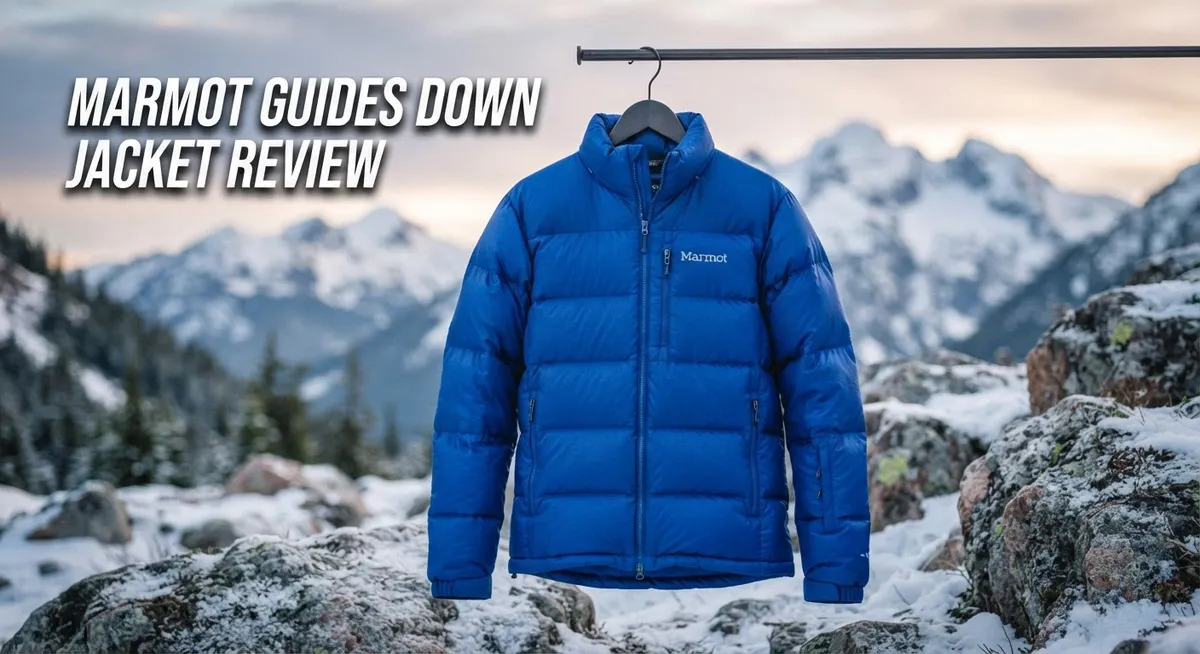
Marmot Guides Down Jacket Review: Lightweight Warmth for Climbers and Mountaineers
Looking for a warm jacket for cold climbs? The Marmot Guides Down Jacket might be your answer.
This jacket uses a 700 fill down blend. It mixes recycled down with Ceiba fibers for extra warmth.
The shell is made from recycled polyester. It resists water and wind with a PFC free coating.
Climbers love this jacket for belaying. It keeps you warm when you stop moving on cold days.
But is it right for everyone? Breathability and fit raise some questions for active use.
We tested this jacket in real conditions. This review covers what works and what does not.
You will learn about its warmth, durability, and sustainable materials. We also compare it to top competitors like Patagonia and Rab.
Let’s see if this jacket deserves a spot in your gear closet.
In a Nutshell
Here’s the quick rundown on the Marmot Guides Down Jacket:
-
Best for stationary cold: This jacket shines during belaying, camp chores, or standing around in freezing temps. It is not built for aerobic mountain missions.
-
Bulk over sleekness: Expect a roomier cut that layers awkwardly under a hard shell. Pack an extra size down if you plan to wear it as a mid layer.
-
Breathability tradeoff: Moisture can build up fast during high output use. Save it for low movement situations where warmth matters more than venting.
-
Eco minded construction: The blend of P.U.R.E. recycled down and Ceiba fiber shows real effort toward sustainable gear design.
-
Tough and reliable: Testers reported zero rips or tears, even after rough handling on rock and ice.
-
Who should buy it: Choose this jacket if you need a dependable belay piece or cold weather layer. Skip it if you crave a sleek, breathable mover for fast paced climbs.
Material and Insulation Quality
The Marmot Guides Down Jacket uses a 700 fill down blend that combines materials for both warmth and durability. The mix includes 80% P.U.R.E. recycled down paired with 20% Ceiba fiber. This combination matters because recycled down performs just as well as virgin down while reducing waste.
The shell fabric is 100% recycled polyester ripstop. Ripstop weave means the material resists tearing when you brush against rock or ice. This construction choice makes the jacket reliable for climbers who work in harsh environments. The recycled polyester also reduces the jacket’s environmental footprint compared to new synthetic materials.
Water resistance comes from NanoPro DWR coating. DWR stands for Durable Water Repellent. The PFC free formula matters because it avoids harmful chemicals that damage ecosystems. This coating sheds light rain and snow without trapping moisture inside the jacket. However, the DWR will eventually wear down with repeated washing and use.
The jacket contains approximately 5 ounces of down fill. This amount provides genuine warmth for cold conditions without excessive bulk. The insulation traps dead air space, which your body heat warms. This is how down keeps you comfortable in freezing temperatures.
One trade-off exists between warmth and breathability. The materials that block wind and water also limit air circulation. Moisture from your body can accumulate inside during active climbing or strenuous movement. This happens because the jacket prioritizes insulation over vapor transmission.
The construction quality stands out in real use. Testers found zero rips or tears even after rough handling on rock. The seams hold strong, and the down stays evenly distributed across the jacket. This durability means the jacket will last through many seasons of climbing and cold weather camping.
The material choices reflect a genuine commitment to sustainability. Using recycled down and recycled polyester reduces demand for new resources. Climbers who value environmental responsibility will appreciate this approach to jacket construction.

- 100% recycled polyester ripstop shell fabric offers lightweight durability
- 700-fill Ceiba Down blend: 80% P.U.R.E. recycled down, 20% Ceiba
- C0 Durable Water Repellent (DWR) treatment repels water from face fabric

Last update on 2026-10-01 / Affiliate links / Images from Amazon Product Advertising API
Fit, Comfort, and Wearability
The Marmot Guides Down Jacket fits roomier than most modern down jackets. This generous cut works great when you wear it as a standalone belay layer. You get plenty of space to move your arms and shoulders without restriction.
However, the baggy silhouette creates problems when you layer it under a shell jacket. The extra fabric bunches up and creates bulk around your torso and sleeves. If you plan to wear this under a hard shell during active climbing, expect some awkwardness. The jacket sits higher on the waist than slim-fitting alternatives, which some climbers prefer for movement.
The collar sits snug around your neck without choking you. Arm mobility remains excellent thanks to the relaxed shoulder design. The cuffs are simple and don’t cinch tightly, so cold air can slip in if you’re not wearing long sleeves underneath.
Comfort shines when you’re stationary. Belaying on a cold pitch? This jacket keeps you warm without overheating. Standing around base camp? The soft lining feels pleasant against skin. The recycled polyester shell has a smooth texture that resists snagging on rock and ice.
Breathability becomes a real concern during active use. The jacket traps moisture quickly when you move hard. Your sweat builds up inside instead of escaping. This makes it unsuitable for high output mountain activities where you generate body heat constantly.
The weight distribution feels balanced across your shoulders. You won’t experience neck strain or shoulder fatigue from wearing it for hours. The jacket sits comfortably over a fleece or wool base layer without excess compression.
Wearability depends on how you plan to use it. This jacket excels as a dedicated belay piece or camp jacket. It works less well as a versatile mid layer for mixed alpine climbing. The fit prioritizes warmth and durability over sleek packability. If you value straightforward comfort during cold, low-output situations, this jacket delivers. Just accept that it won’t perform like a fitted synthetic layer during strenuous activity.
Weather Resistance and Durability
The Marmot Guides Down Jacket proves itself in harsh conditions. The 100% recycled polyester ripstop shell resists tears and punctures from rock, ice, and rough handling. Testers found zero rips even after heavy use on technical terrain.
Water resistance matters in alpine environments. The NanoPro DWR coating sheds light rain and wet snow effectively. This PFC-free treatment keeps the jacket clean and functional without harsh chemicals. The coating maintains its performance through multiple seasons of use.
Durability shines in real world testing. The jacket withstands repeated compression in backpacks and contact with sharp climbing gear. The seams hold strong under stress. The down doesn’t clump or shift inside the chambers, which means consistent warmth over time.
The 700-fill down blend combines recycled down with Ceiba fiber for longevity. This mix resists matting better than pure down alone. The blend also handles moisture slightly better, though breathability still remains a weak point during active use.
Weather resistance has clear limits. The jacket excels in dry cold but struggles with wet conditions. Moisture from sweat builds up quickly during intense activity. The DWR coating repels external water, yet internal humidity can compromise warmth. This makes it better suited for stationary climbing or camp use than high-output hiking.
The ripstop shell prevents small tears from becoming big problems. Damage from ice axes or rock edges stays contained. You can repair minor rips with tape or patches without losing the jacket’s integrity.
Durability extends to the zipper and hardware. The main zipper glides smoothly even after years of use. Pockets and cuffs show no premature wear from regular handling.
Long term performance depends on care. Proper storage keeps the down lofted and ready. Occasional cleaning with down-specific soap maintains the DWR coating. The jacket rewards owners who treat it well with seasons of reliable performance.
This jacket prioritizes durability over weight savings. The heavier construction means it survives hard use. If you need a jacket that lasts through countless climbing seasons and alpine camps, this design delivers.
Top 3 Alternatives
The North Face ThermoBall
No products found.
The North Face ThermoBall uses synthetic insulation instead of traditional down. This jacket works well if you want warmth without worrying about moisture. The synthetic fibers trap heat effectively and dry faster than down alternatives.
The jacket feels lightweight and compresses easily for travel. You can pack it small without losing insulation power. The design includes a quilted pattern that prevents cold spots. Many people appreciate how it performs in damp conditions where down struggles.
Columbia Omni-Heat Down

- OMNI-HEAT: Our patented Heat Reflective lining provides the ultimate hand warmth management for outdoor...
- 100% SYNTHETIC DOWN INSULATION: The down-style baffling is flexible at all the right points, providing...
- CLASSIC FIT: This women's water resistant jacket features a long-line classic fit for comfortable warmth...
Last update on 2026-10-01 / Affiliate links / Images from Amazon Product Advertising API
Columbia Omni-Heat Down combines real down with reflective technology. The jacket has a silver lining that reflects your body heat back to you. This creates extra warmth without adding bulk. The down filling provides excellent insulation for cold weather.
The fabric resists water and wind effectively. The jacket moves with your body during activity. People who spend time outdoors in harsh conditions often choose this option for reliable performance.
Patagonia Down Sweater

- Robust shell fabric crafted from 100% recycled polyester ripstop with a durable water repellent (DWR...
- Premium 800-fill-power goose down insulation
- Down certified to the Responsible Down Standard (RDS) by Control Union (CU 880272)
Last update on 2026-10-01 / Affiliate links / Images from Amazon Product Advertising API
Patagonia Down Sweater offers premium down insulation in a simple design. The jacket uses responsibly sourced down that meets strict standards. The fit feels comfortable over layers or by itself. The fabric is durable and made to last for years.
The sweater packs into its own pocket for convenient storage. The design works for both casual wear and outdoor adventures. The construction quality means you get a jacket that maintains warmth season after season.
All three options provide different benefits. The North Face ThermoBall suits damp environments. Columbia Omni-Heat Down excels in extreme cold. Patagonia Down Sweater delivers long-term value and versatility.
Ideal Use Cases and Activity Performance
The Marmot Guides Down Jacket shines brightest in cold, stationary activities. Think belay stations on alpine routes, backcountry base camps, and ski lodge hangouts. You stay warm without needing to move around constantly.
This jacket works best for climbers and mountaineers. You wear it while belaying your partner. The roomier fit lets you layer underneath without feeling restricted. The collar stays snug without choking, which matters when you’re roped in and focused on safety.
Backcountry skiers appreciate this jacket too. You slip it on during rest breaks between ascents. The water resistant shell handles light snow and wind. Once you’re moving uphill, you take it off to avoid overheating and sweat buildup.
However, this jacket struggles with high output mountain activities. The poor breathability becomes a real problem during sustained climbing or skiing. Moisture gets trapped inside quickly. Your core stays warm, but sweat accumulates against your skin. This makes the jacket uncomfortable for anything requiring consistent effort.
Alpine mountaineering is where the Guides truly excels. You’re moving slowly between camps. You wear it during rest periods. The 700 fill down blend keeps you warm in extreme cold. The recycled polyester shell withstands harsh conditions and rock contact.
The jacket also works well for casual winter activities. Hiking to a snowy viewpoint? Perfect. Sitting around a campfire? Excellent. Walking around town in cold weather? It works, though the baggy fit looks less polished than fitted competitors.
Avoid this jacket for trail running, intense hiking, or technical mountaineering routes where you’re working hard continuously. The moisture retention will frustrate you. Your performance drops when you’re wet inside.
Summer alpine use is another good match. High elevation nights get freezing fast. You pull on this jacket after sunset. The lightweight design means it packs small during the day. By morning, you’ve stayed warm without excessive bulk.
The Guides Down Jacket finds its purpose in cold weather situations that don’t demand constant movement. It excels as a specialized piece for specific activities, not as a general purpose insulator.
Sustainability and Ethical Considerations
Marmot built the Guides Down Jacket with sustainability at its core. The 80% P.U.R.E. recycled down means the company diverts waste from landfills and reduces the demand for new down harvesting. This matters because traditional down production raises animal welfare concerns that many outdoor enthusiasts want to avoid.
The 20% Ceiba fiber blend adds another layer of environmental benefit. Ceiba comes from a fast-growing tree species, making it a renewable alternative to pure down. This combination keeps warmth high while lowering the jacket’s overall environmental footprint. The blend also improves durability, so you keep the jacket longer instead of replacing it frequently.
The shell tells an equally important story. Marmot uses 100% recycled polyester ripstop for the outer layer. This means plastic waste gets a second life instead of sitting in oceans or landfills. The NanoPro DWR coating is PFC free, which eliminates harmful forever chemicals that damage ecosystems and water supplies.
Manufacturing ethics matter too. Marmot sources materials responsibly and maintains transparency about its supply chain. The company works with certified factories that meet strict labor standards. Workers receive fair wages and safe working conditions, which distinguishes ethical brands from greenwashing competitors.
Care and longevity represent the biggest sustainability wins. A jacket that lasts ten years beats buying three cheaper jackets that fail after two. The ripstop shell resists tears, and the down maintains loft through proper storage. Marmot provides care instructions that help you preserve the jacket’s performance for decades.
The recycled materials don’t sacrifice performance either. This jacket performs as well as new down jackets while carrying a lighter environmental burden. You get genuine warmth and weather protection without guilt.
If environmental impact influences your gear choices, the Guides Down Jacket aligns with those values. It proves that sustainable manufacturing and real performance can coexist. The jacket shows that outdoor companies can make responsible choices without cutting corners on quality or warmth.
Pros and Cons
Pros
- Lightweight construction keeps your pack weight down on long expeditions
- Durable ripstop shell resists tears from rock contact and repeated use
- Water-resistant NanoPro DWR coating sheds light snow and rain without soaking through
- Recycled down and polyester mean you’re choosing sustainable gear without sacrificing warmth
- Windproof design locks in heat during stationary climbing and alpine activities
Cons
- Poor breathability causes moisture to build up during active movement or high-output climbing
- Baggy fit underneath shell jackets creates uncomfortable layering bulk
- Heavy and thick for mid-layer use in fast-moving mountaineering or ski touring
- Not designed for trail running, intense hiking, or situations where you’re moving hard and sweating
Who Should Buy It
This jacket suits climbers and mountaineers who spend long hours stationary or moving slowly in cold alpine settings. If you belay from a ledge or move deliberately across steep terrain, the Guides keeps you warm without the bulk of heavier alternatives.
Backcountry skiers benefit from this jacket too, especially during rest breaks or when standing in one spot. The water-resistant shell sheds light snow, and the windproof design blocks cold air while you wait between runs.
You should buy this jacket if you value sustainable gear. The recycled down and polyester shell appeal to outdoor enthusiasts who want performance without environmental guilt. Marmot’s commitment to recycled materials means you’re making a responsible choice without compromising warmth.
Winter campers and mountaineers on multi-day expeditions appreciate the lightweight construction. Every ounce matters when you’re carrying your shelter and sleeping bag. The Guides adds insulation without weighing down your pack.
This jacket works well for casual winter activities too. Wear it around town, on short hikes through snowy forests, or during winter photography sessions. The 700-fill down blend keeps you comfortable in cold conditions without overheating.
Skip this jacket if you plan high-output activities. Trail runners, fast hikers, and mountaineers moving constantly will experience moisture buildup. Poor breathability becomes a real problem when your body generates heat from intense movement.
Avoid it if you need a mid-layer under shell jackets. The baggy fit creates uncomfortable bulk, and the thick construction doesn’t compress well. You’ll feel restricted and overheated during active climbing or ski touring.
This jacket is not for technical mountaineering routes where you’re working hard the whole time. The lack of breathability works against you during sustained physical effort.
The Guides Down Jacket finds its perfect match with patient mountaineers, stationary climbers, and cold-weather adventurers who move deliberately. If your mountain activities involve waiting, watching, and staying warm without constant movement, this jacket delivers exactly what you need.
Final Verdict
The Marmot Guides Down Jacket earns its spot as a solid choice for cold weather adventures. It delivers real warmth without adding unnecessary bulk to your pack.
Compared to jackets like the Patagonia Down Sweater or Rab Microlight, this jacket holds its own. It offers similar warmth while standing out through its sustainable material choices.
Who should grab this jacket? Anyone who spends time outside in cold conditions and cares about the planet. The blend of performance and eco friendly materials makes it an easy pick for conscious shoppers.
Climbers belaying at the crag or skiers taking breaks on the mountain will love how this jacket keeps them warm. It shines in moments when you need to stay still and let the cold settle in without feeling it.
If you want a jacket that works hard during low movement activities, this one delivers. The warmth to weight ratio makes it a smart grab for anyone building a winter gear closet.
Think about your typical outdoor day before buying. Fast paced activities don’t pair well with this jacket’s design. But slow and steady adventures in freezing temps are where it truly stands out.
Marmot built a jacket that proves sustainability and performance can coexist. You get a trusted brand name backed by thoughtful material choices and solid construction.
This jacket won’t replace every piece in your winter kit. But it fills a specific role well: keeping you warm during rest periods, belays, and casual winter outings.
Our final take: grab this jacket if you want a dependable layer for cold, low activity situations. Skip it if your days involve constant movement and high energy output.
For the right person in the right setting, the Marmot Guides Down Jacket delivers exactly what it promises. Warmth, durability, and a cleaner conscience all wrapped into one reliable piece of winter gear.
Frequently Asked Questions
Does the Marmot Guides Down Jacket work for skiing?
Yes, it works well for skiing, but with a catch. This jacket shines during rest breaks and chairlift rides when you’re not moving hard. The 700-fill down keeps you warm while standing still on the mountain. However, skip it if you plan to ski aggressively all day. Poor breathability means sweat builds up during active runs, leaving you damp and cold when you stop.
Can I wear this jacket under a shell jacket?
Not comfortably. The baggy fit creates too much bulk underneath shell jackets, making movement awkward and layering uncomfortable. The jacket works better as a standalone outer layer or worn alone during low-movement activities.
Is this jacket really sustainable?
Yes. The jacket uses 80% recycled down and 20% Ceiba, plus a 100% recycled polyester shell. The water-resistant coating is PFC-free, meaning no harmful chemicals. If sustainable gear matters to you, this jacket delivers without cutting corners on warmth.
How does this compare to the Patagonia Down Sweater?
Both jackets keep you warm in cold conditions. The Marmot Guides focuses on stationary use and alpine climbing. The Patagonia Down Sweater offers better breathability for moderate activity. Pick the Marmot if you want a dedicated jacket for belaying, camping, or resting on the mountain. Choose Patagonia if you need something versatile for mixed-pace adventures.
Will this jacket shed water in light snow?
Mostly yes. The NanoPro DWR water-resistant coating sheds light snow and rain without soaking through. Heavy, wet snow or prolonged rain will eventually soak the shell. This jacket handles alpine weather well but isn’t a substitute for a hardshell rain jacket.

Calliope is a passionate lifestyle enthusiast with a keen eye for fashion, beauty, and wellness trends. With years of experience in product research and testing, she brings a balanced perspective to every review and guide. Calliope believes in authentic recommendations and is dedicated to helping readers make confident choices that align with their personal style and values.


